‘Under the skin of the forest’

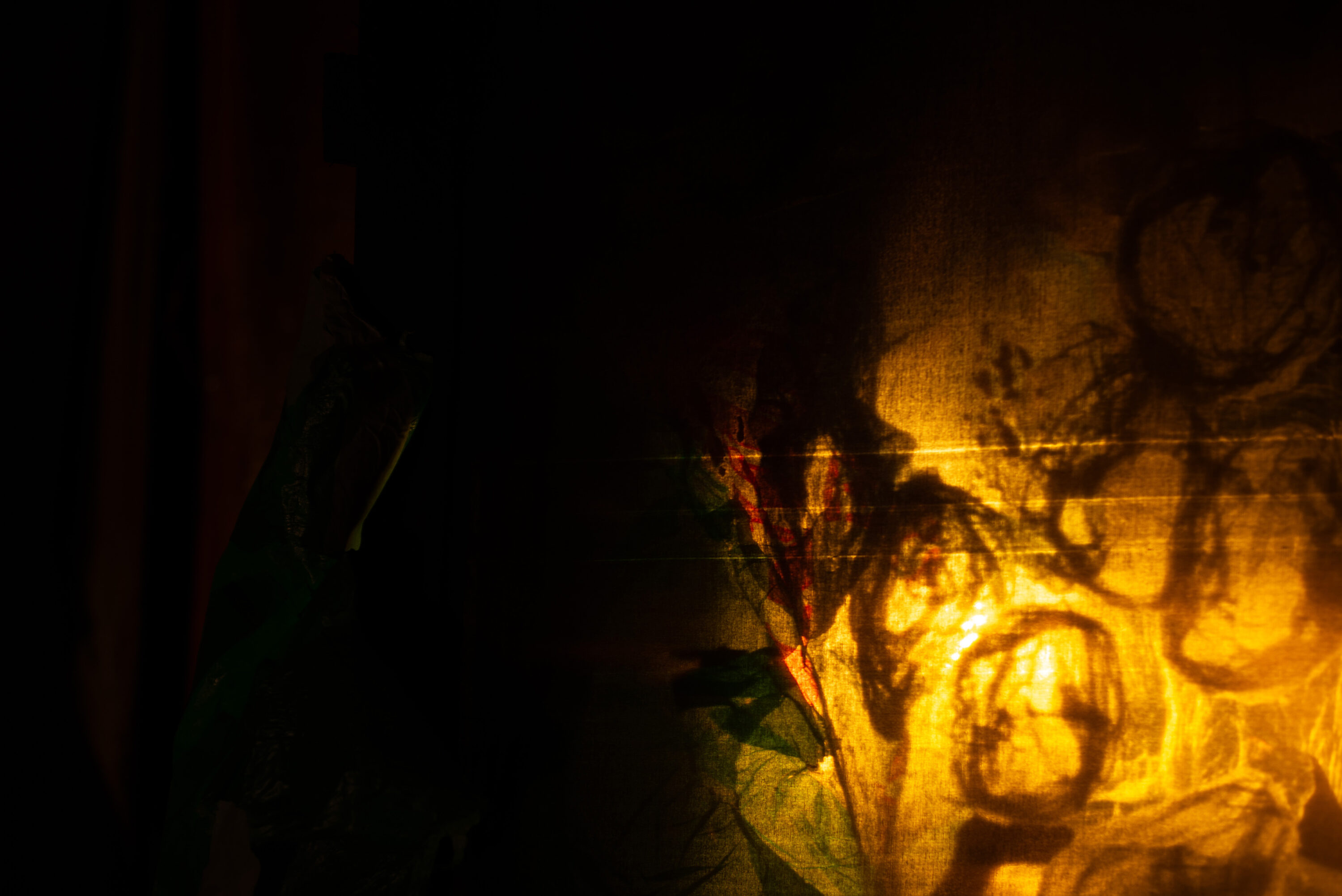
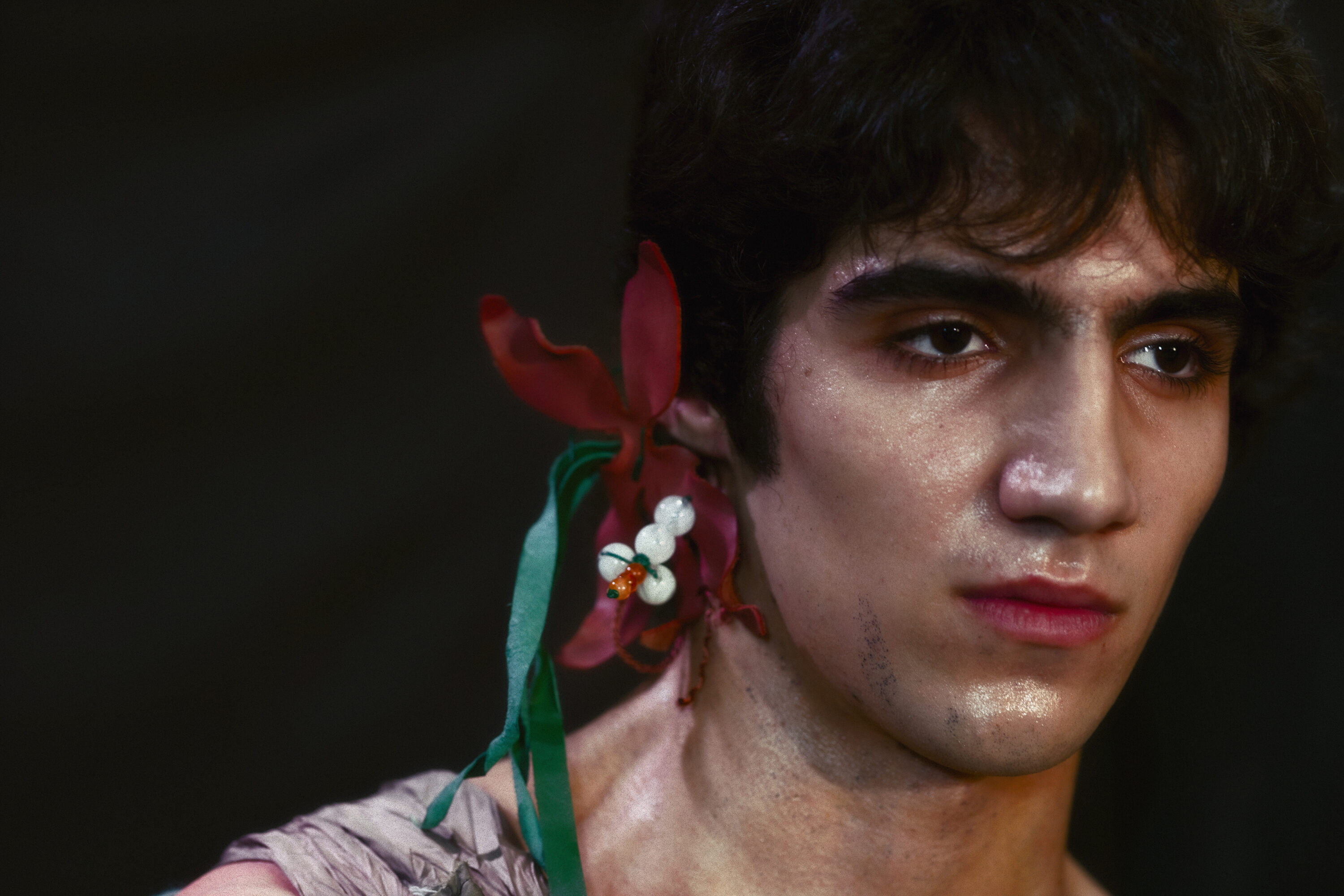
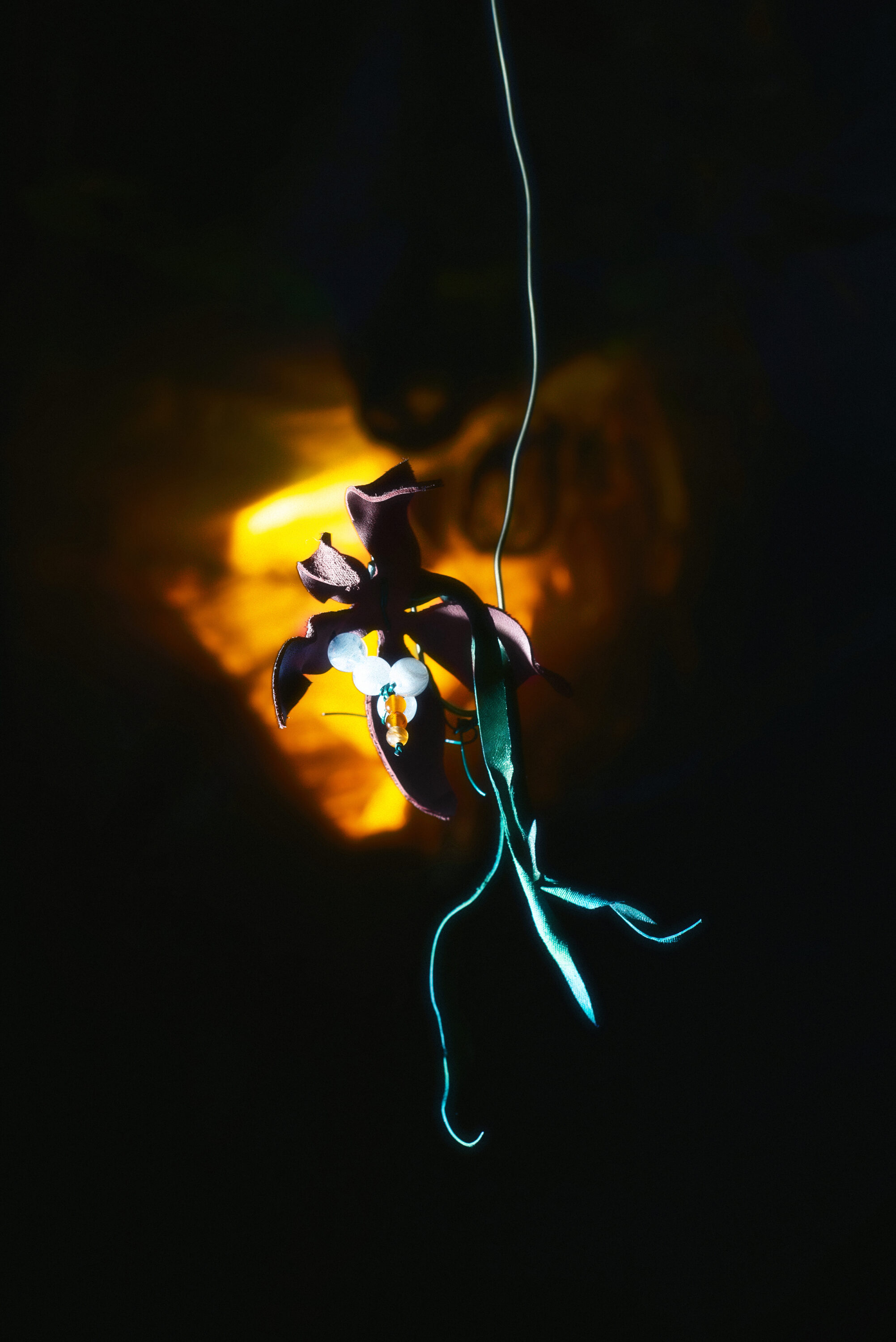
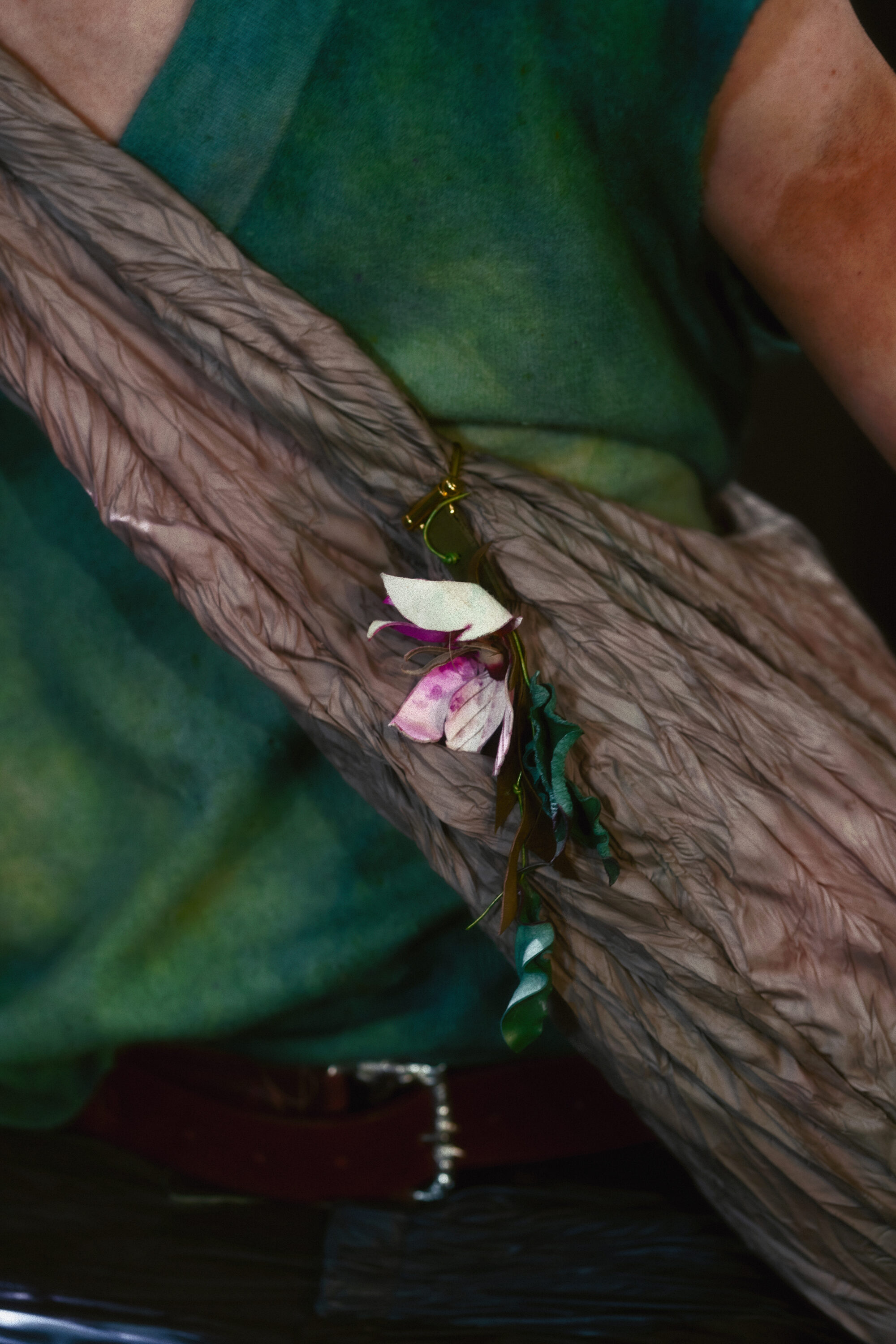
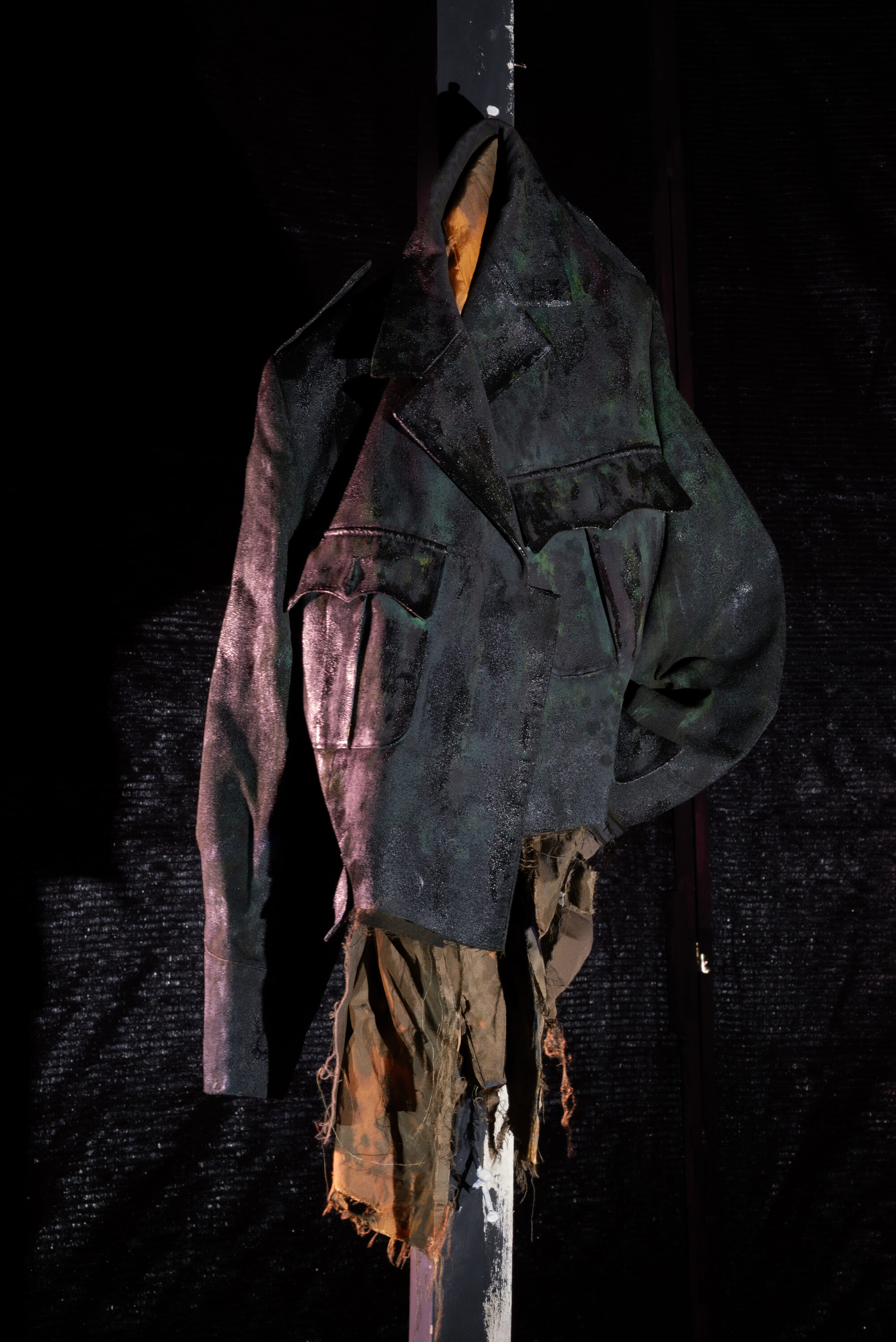
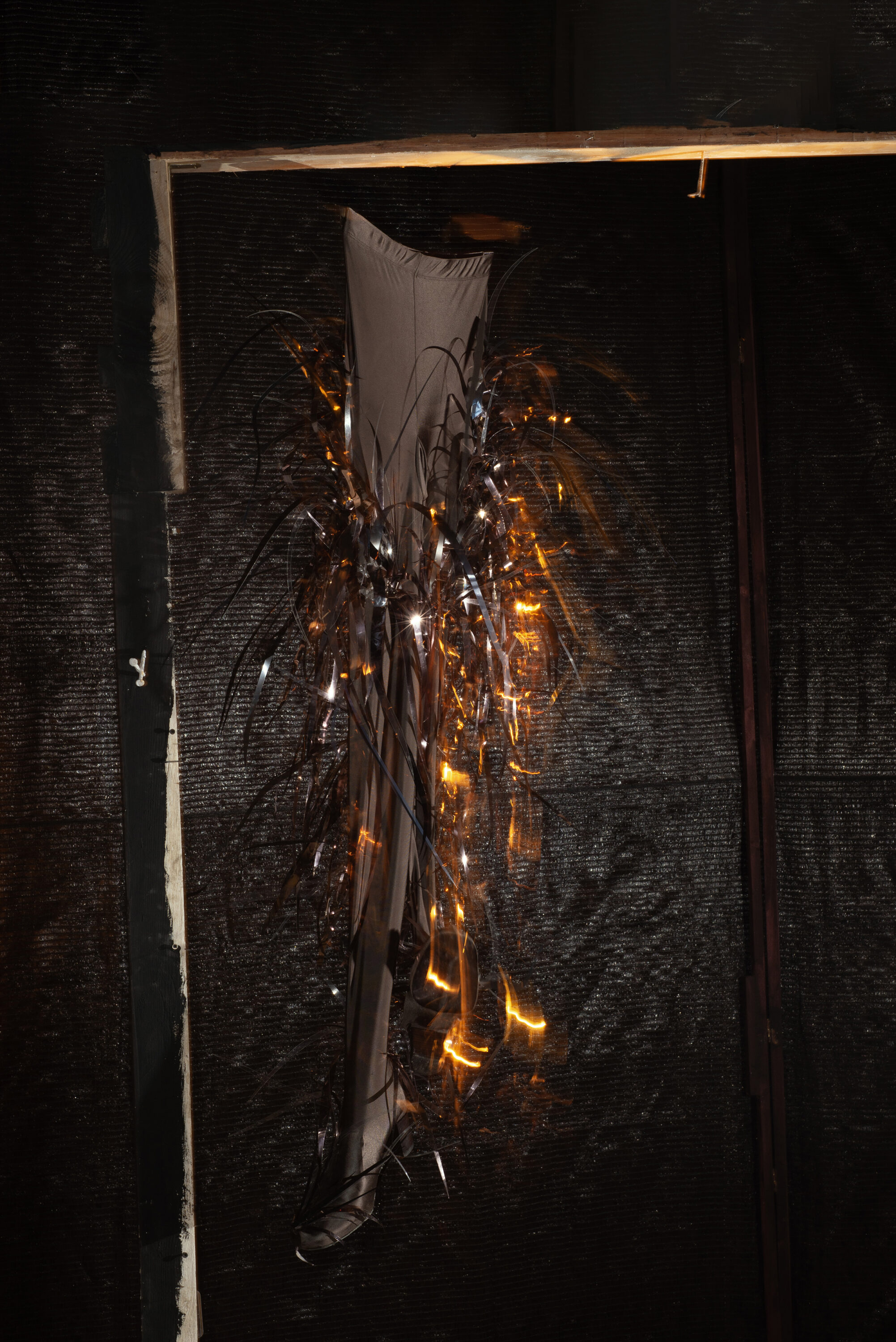
Under the Skin of the Forest is a collection that lives between flesh and root.
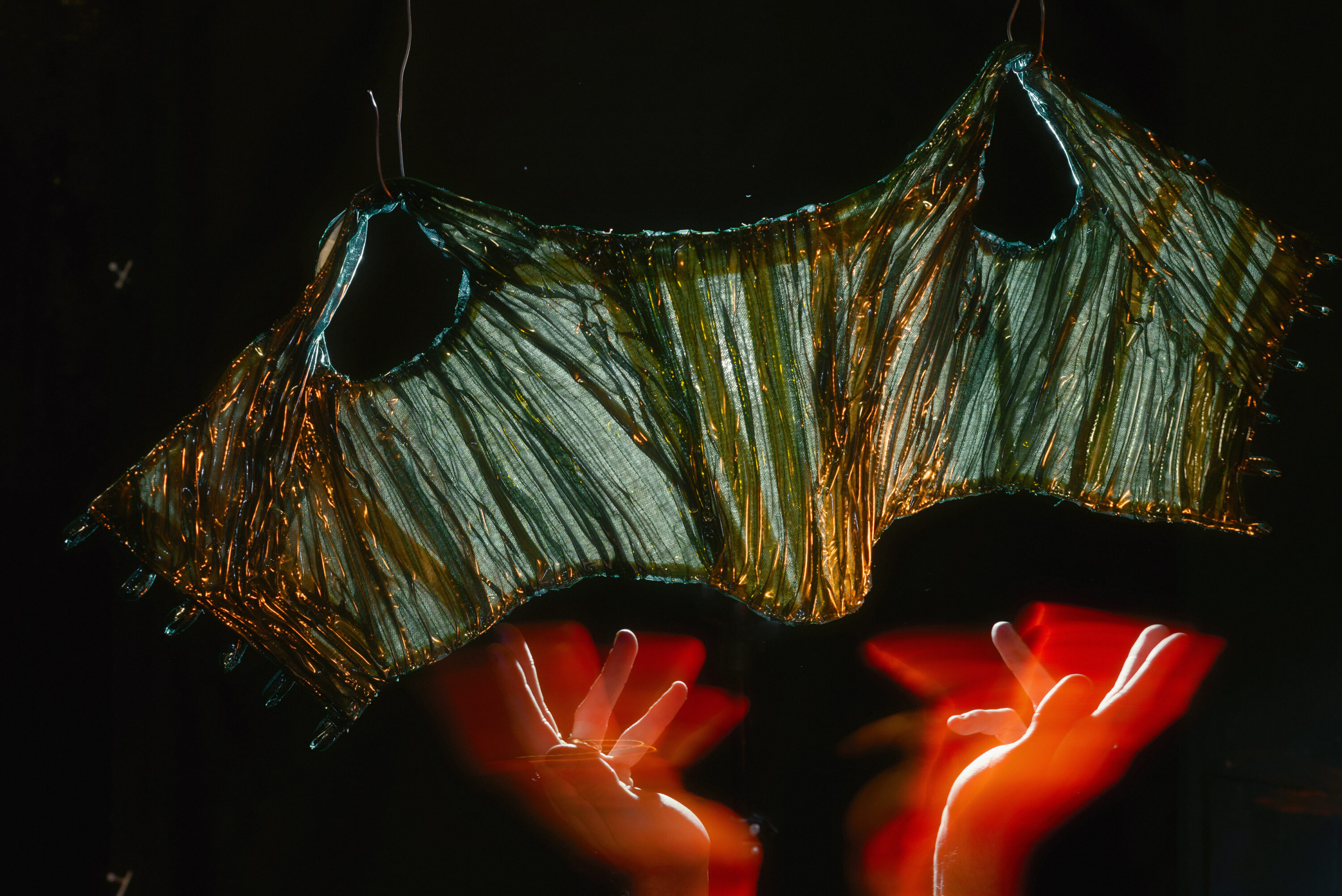
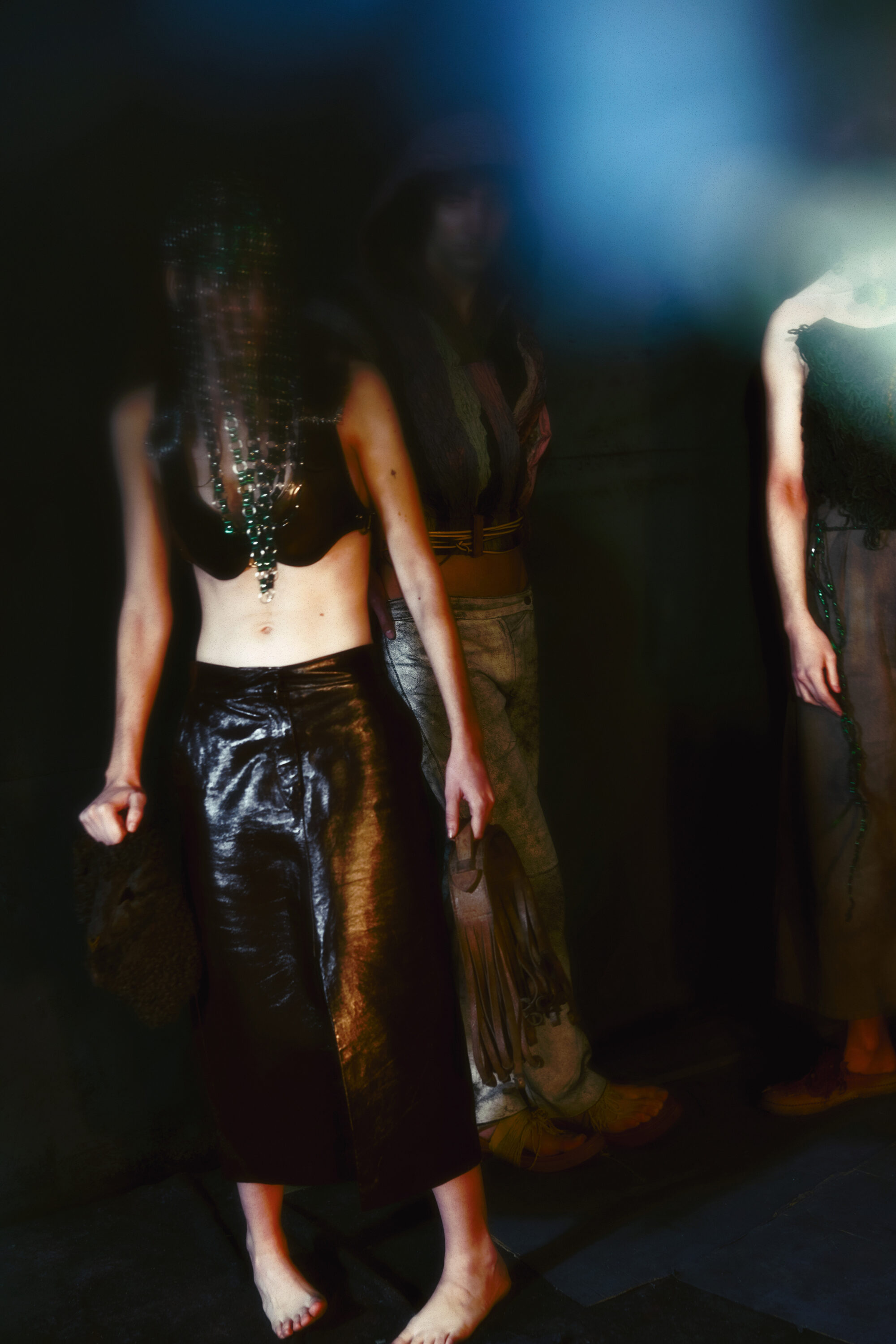
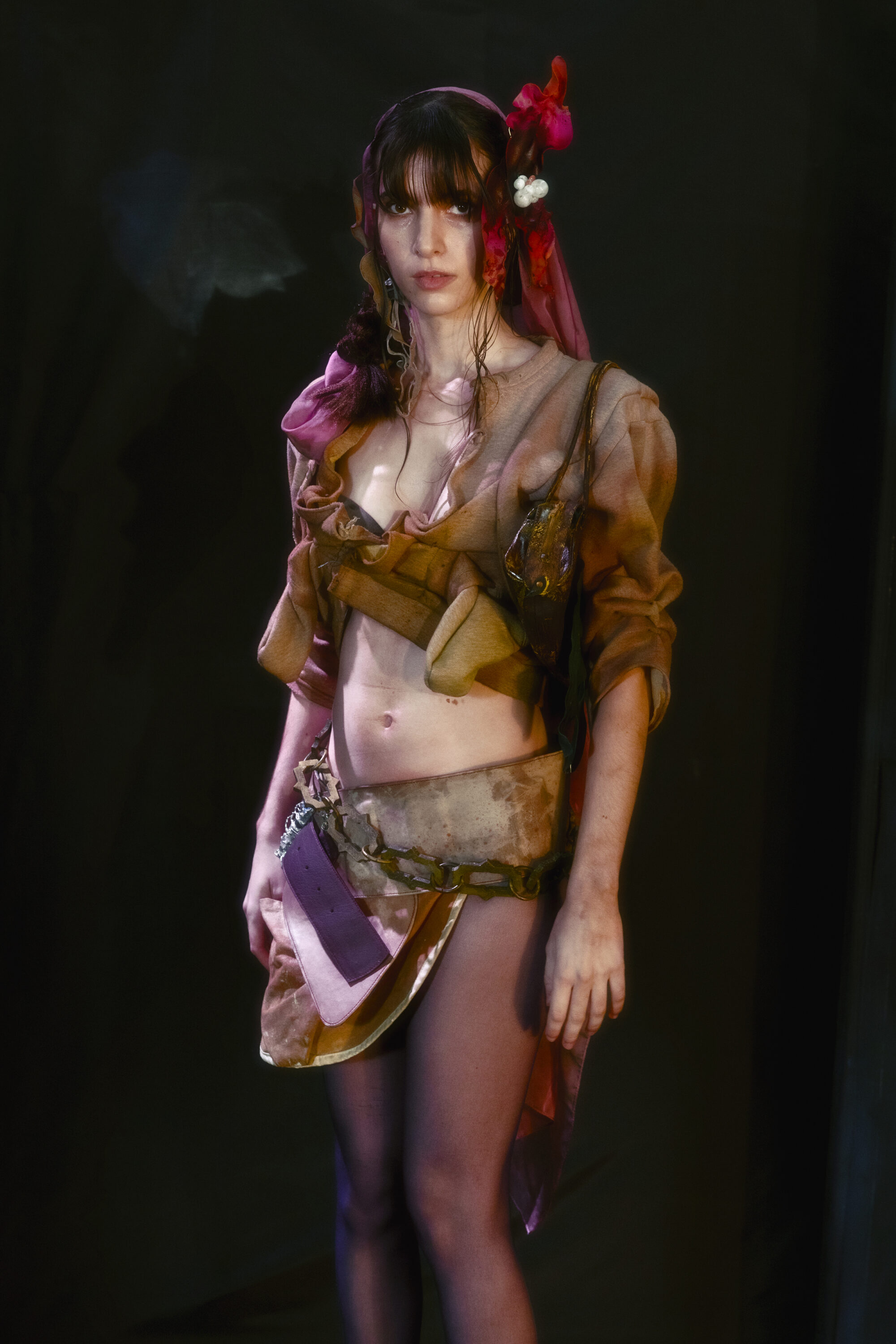
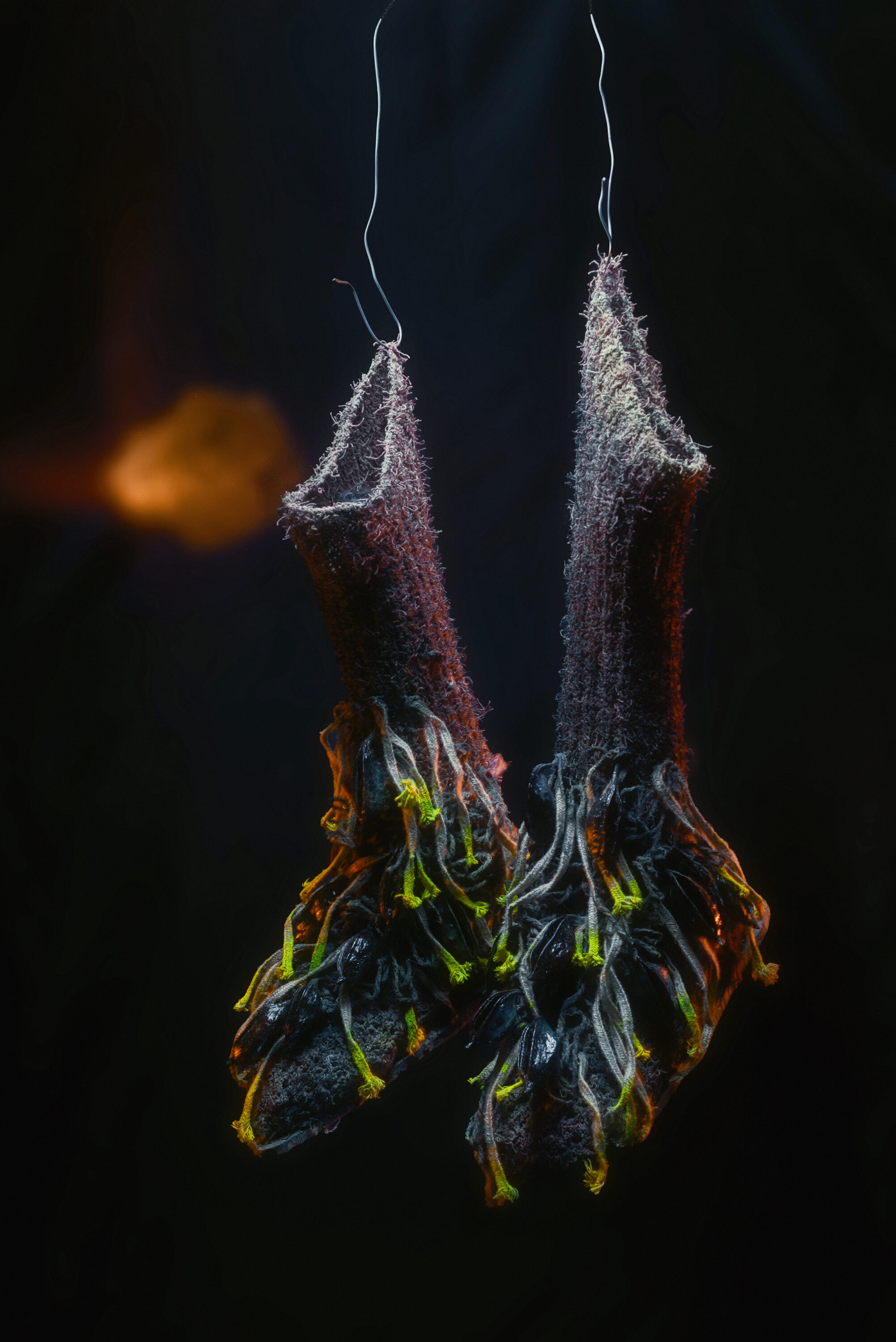
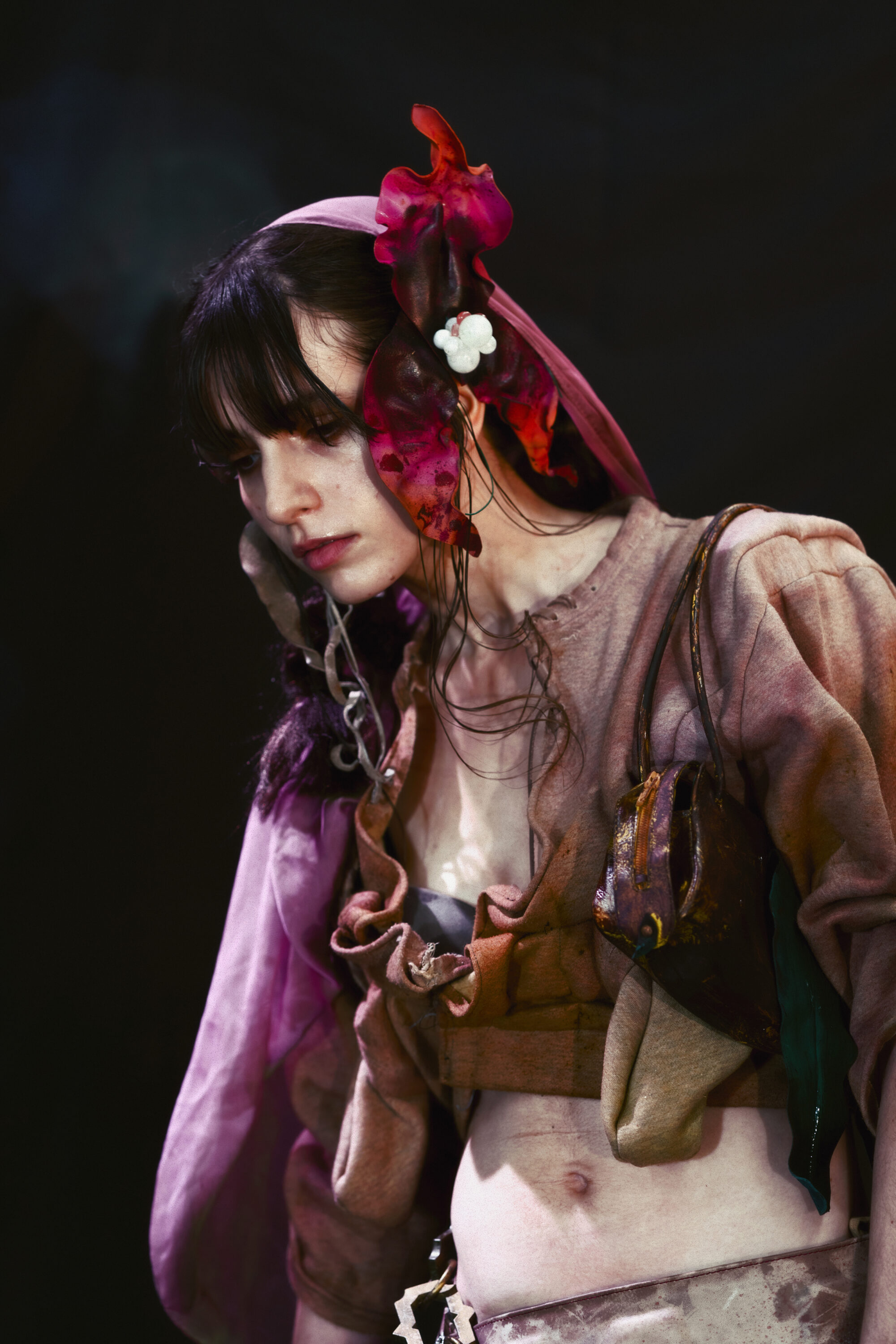
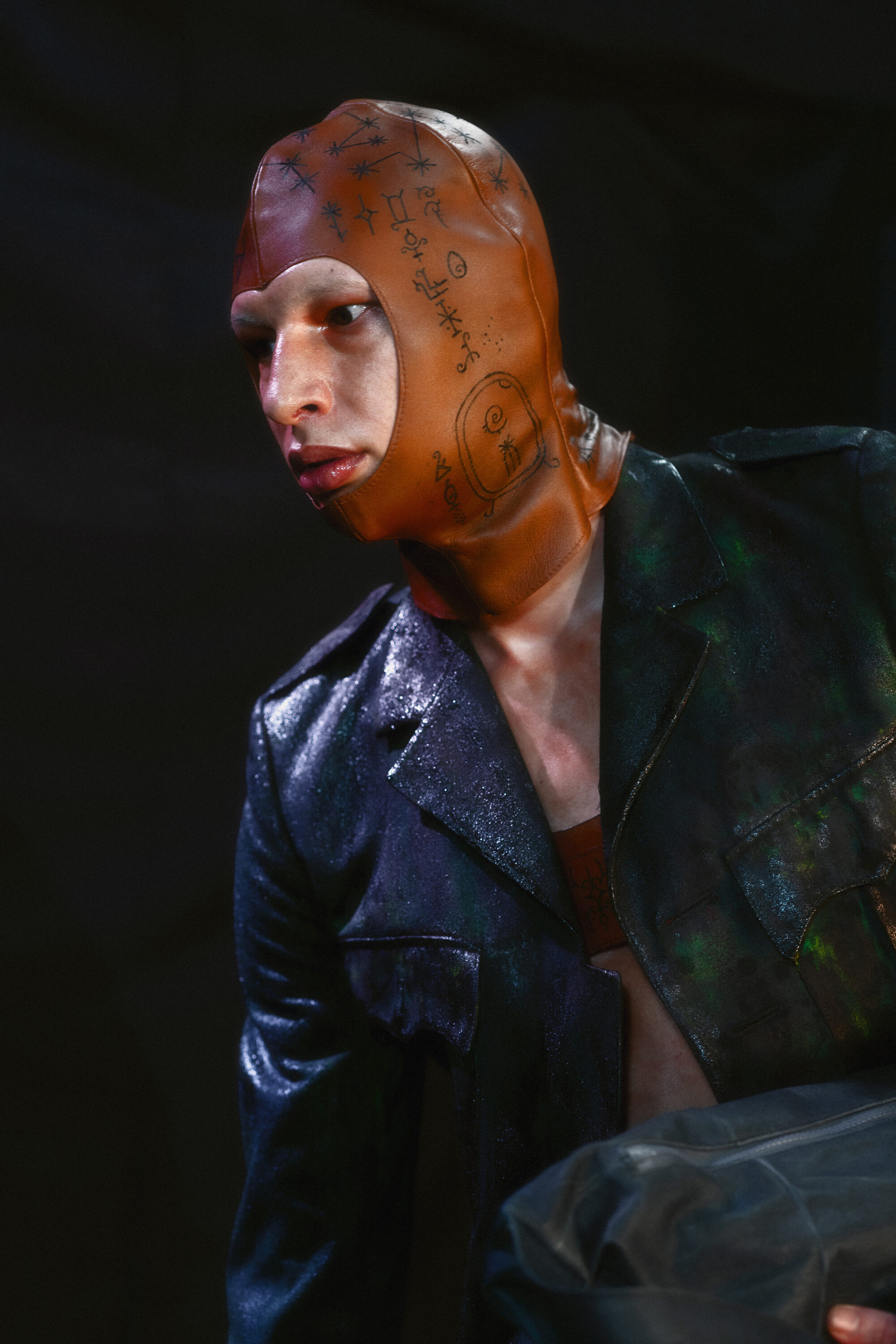
The pieces, made from leather and reconstructed fabric, behave like organisms that breathe, decay, or bloom.
Each surface preserves the memory of fire, dye, or the wound of time.

The project arises from the desire to push the limits of craft: to burn, bleach, and mix materials, to expose them to pressure or heat until they reveal a new surface.
Leather behaves like bark, fabric like mineral skin.
Between them appears a tactile language, built on error, patience, and desire.

Developed in the atelier el cardenal (Seville) under the direction of Abigail Algaba, the collection combines traditional leathercraft techniques with experimental processes of manipulation and wear.
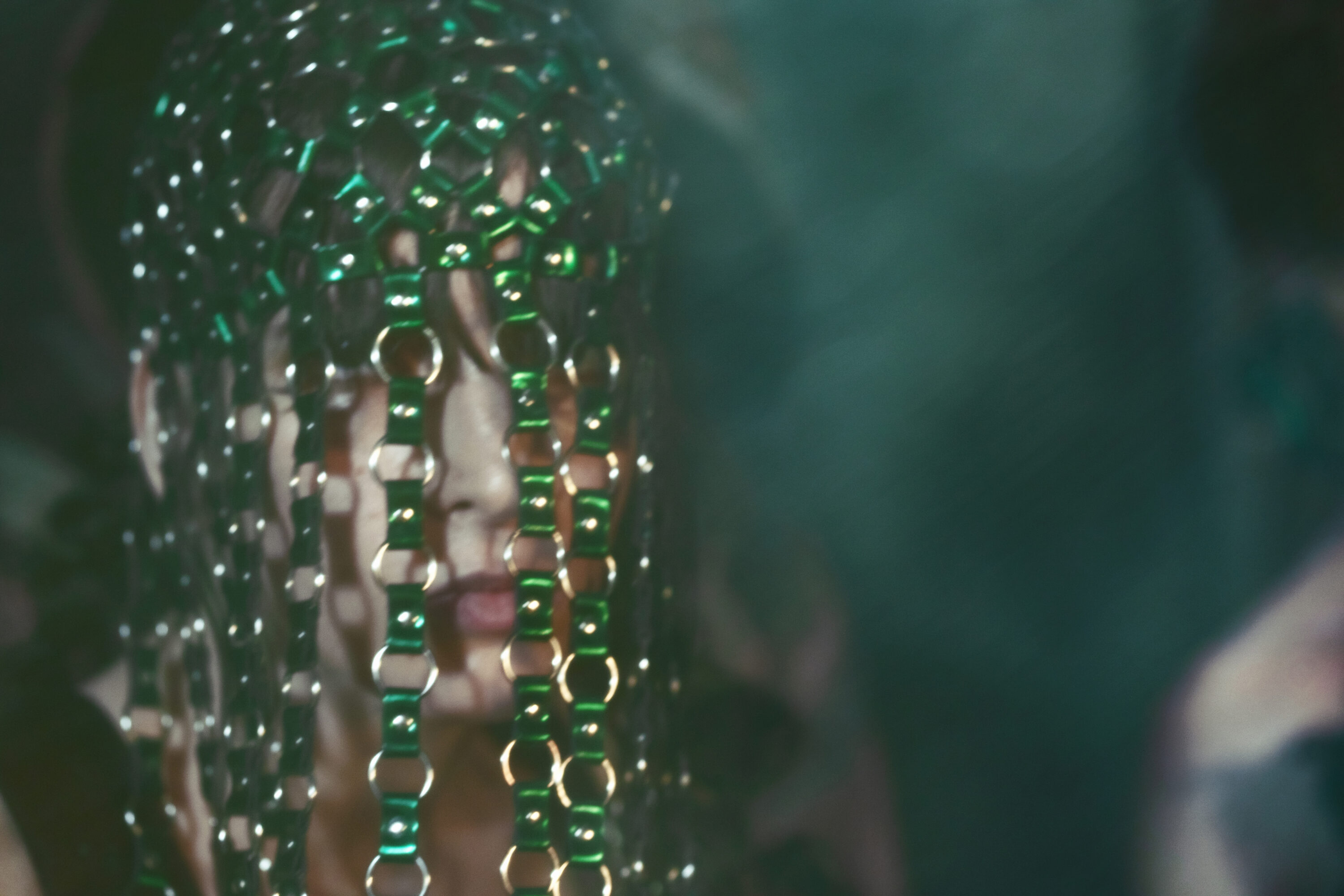
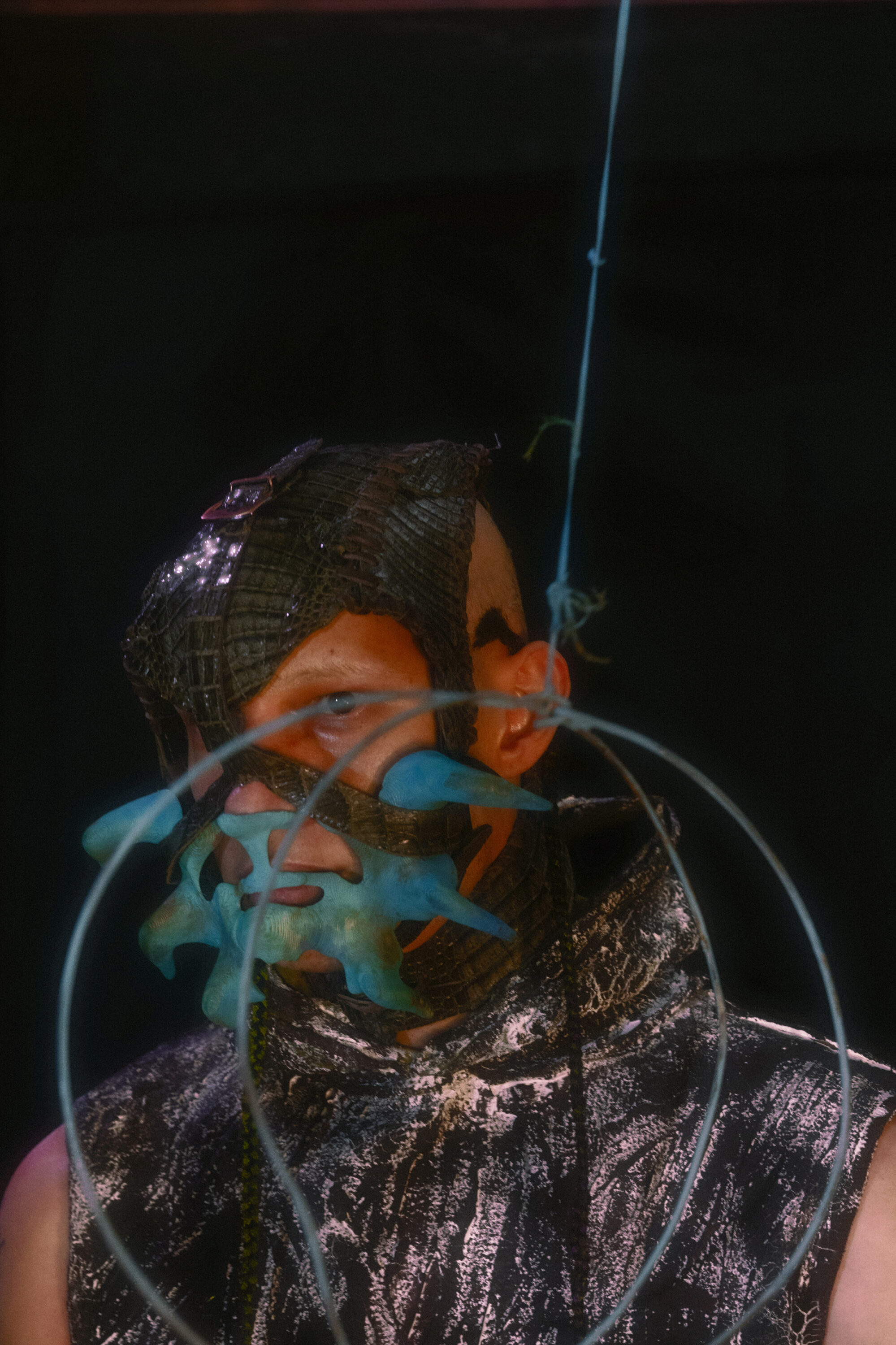
This research involves Adam Smit (footwear and artistic direction), Felurian Doll (sculptural buckles), Aidan Cunningam (masks and prosthetics), Mahuebo (digital and 3D intervention), Elena Mas (video editing and color), and The Gardener (sound composition).

No one remembers the exact moment it began.

Perhaps it was the first sprout at the nape of the neck.
Or the day leather stopped looking like fabric and began to pulse.
Maybe it was when someone covered themselves with a garment that didn’t dress but pleaded.
We don’t know. Only that it began as a tremor beneath the skin, and never stopped.

At first, we thought it was contagious—but not the kind that makes you ill.
It was a contagion of language, of texture, of memory.
A humidity that wouldn’t fade.
A heat that didn’t burn, but fertilized.

The cave entered us.
We did not descend into it.

It rose like mist, passing through our bare feet,
climbing our ankles, nesting in our stomachs and tongues.

It found us fertile.
Our bodies began to change.
Not in shape, but in function.
Eyes stopped looking outward.
Ears began to bloom.
Mouths learned to remain silent and ooze.
The skin opened in layers like old bark,
and beneath it there was no muscle—only cloth, spore, and mildewed word.

Our clothes changed too.
The fabrics ceased to be shelter.
The leathers ceased to be armor.

Everything began to grow inward and outward at once.
Garments clung to the body like lichens,
like fungi that know more than we do.

We no longer dressed: we sprouted.

Adornments turned into colonies.
Flowers, into symbionts.
Necklaces, into roots.
Veils, into nests.

Some people fled.
They feared becoming what they already were.
But those who stayed learned not to exorcise the monstrous,
but to inhabit it.

We began to speak without tongues,
to name each other by textures,
to greet by the dampness of our hands.
Our names were forgotten,

but our forms began to sing.
We sang with spores.
We prayed with scabs.
We loved with pores.
And one day, we understood:
We were not the exiled.
We were not the deformed.
We were the future covered in mold.
The beauty that rots to nourish other forms.
The fruit that grows where no one sowed.
The wound that blossoms.

Now we walk with our backs twisted from so much blooming.
We cover our legs with dragging roots.

And when someone new approaches,
we do not ask who they are.
We ask:
Where is the cave growing in you?

And if they know the answer,
we give them shelter.